Craft
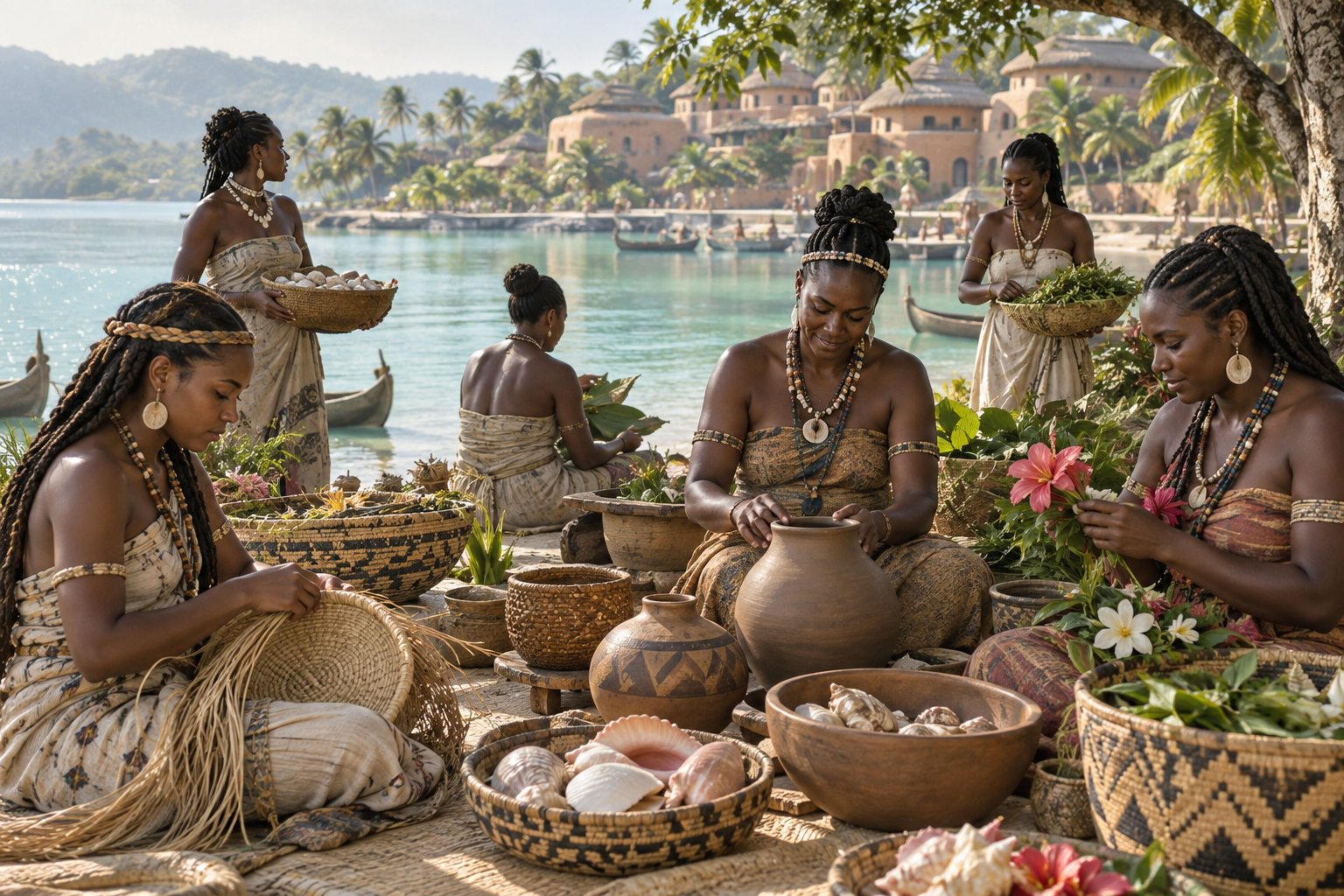
Clay, cotton, cane
Pottery, basketry, woven hammocks and cassava presses were engineering as much as art — built to last, built to be carried, built to be repaired.
02 / Culture
Culture is a practice, not a display case.
The premise
Museums tend to freeze Indigenous culture at the moment of contact, as though it stopped developing the day it was interrupted. It did not. The cooking, the weaving, the music, the humour and the family structures kept moving, absorbing and answering back for five centuries — and they are still moving now.
Craft
Pottery, basketry, woven hammocks and cassava presses were engineering as much as art — built to last, built to be carried, built to be repaired.
Food
Bitter cassava is toxic until processed. Grating, pressing, cooking: an entire technology that made a staple out of a poison and fed millions across the lowlands and islands.
Ceremony
Song, dance and recitation performed together — history, law and lineage held in the body and passed forward without paper.
Sport
Ballcourts at the center of town, ringed by stone. Sport, diplomacy and ritual in one space, watched by the whole community.
Movement
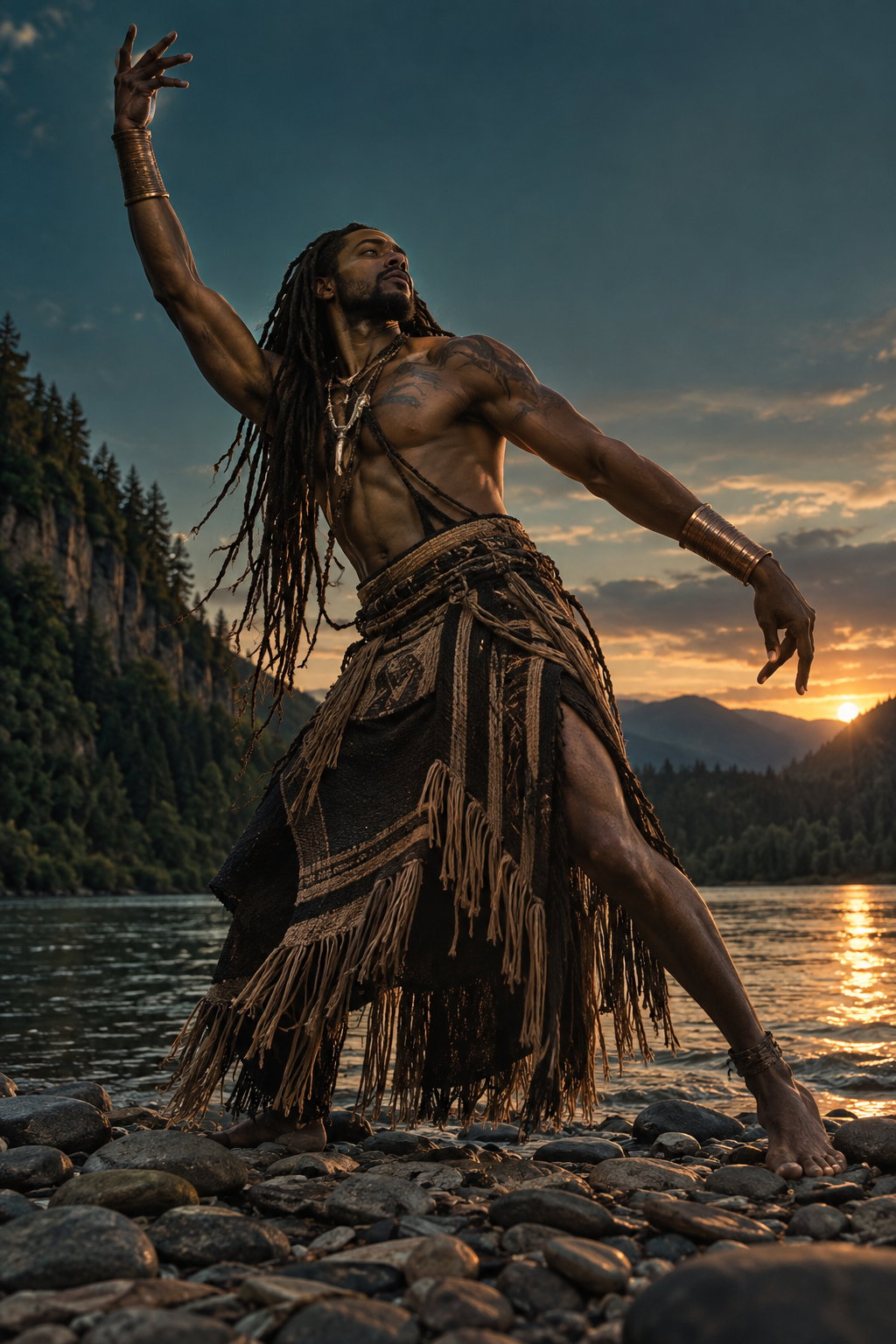
Dance is the oldest archive on the continent. Before the written record and after it was destroyed, movement carried the story — who we came from, what the river did, how a season turns, what is owed to the dead.
Southern Arawak films movement as testimony: ancestral memory in a modern body, on the land it came from.